Educational Resources
Manufacturing Readiness Level Resource Center
Browse all of our educational resources about Manufacturing Readiness Level
Guide Articles Case Study![[hero] Manufacturing Readiness Level (MRL) guide](https://www.modusadvanced.com/hs-fs/hubfs/%5Bhero%5D%20Manufacturing%20Readiness%20Level%20(MRL)%20guide.png?width=1024&height=768&name=%5Bhero%5D%20Manufacturing%20Readiness%20Level%20(MRL)%20guide.png)
%20The%20Complete%20Guide%20for%20Aerospace%20and%20Defense%20Engineers%20(1).jpg?width=1545&height=2000&name=Manufacturing%20Readiness%20Level%20(MRL)%20The%20Complete%20Guide%20for%20Aerospace%20and%20Defense%20Engineers%20(1).jpg)
Guide
Manufacturing Readiness Level (MRL): The Complete Guide for Aerospace and Defense Engineers
Manufacturing Readiness Levels can make or break production. Learn what each MRL means and how to prepare aerospace and defense programs for manufacturing success.
Read the GuideFeatured Articles About Manufacturing Readiness Level (MRL)

MRL vs. TRL: Understanding the Difference Between Technology and Manufacturing Readiness
TRL measures whether a technology works. MRL measures whether you can build it — consistently, at tolerance, at volume. Learn how both frameworks interact across DoD acquisition milestones and what your manufacturing partners must demonstrate to keep your program on track.

MRL 4 to MRL 6: Prototype to Pilot Production — Closing the Gap That Breaks Programs
Navigate the MRL 4 to MRL 6 transition without schedule overruns. Technical guidance on DFM timing, tolerance management, material qualification, and production-relevant environment requirements for Milestone B readiness.
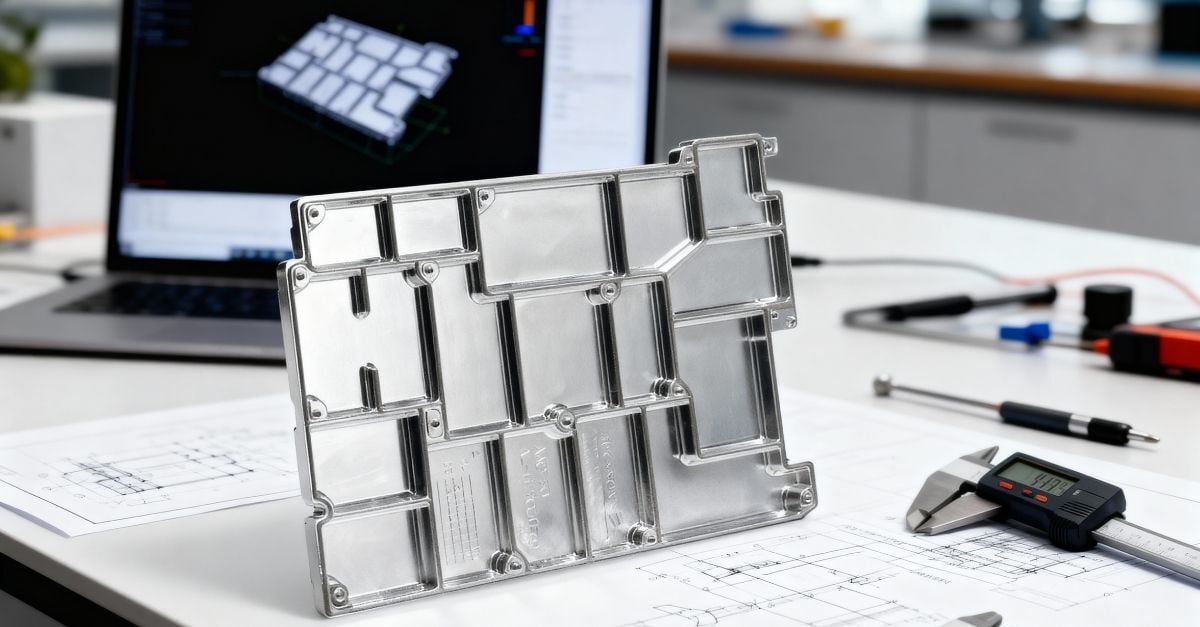
How Design for Manufacturability Reviews Accelerate MRL Advancement
Manufacturing Readiness Levels don't improve by chance. Learn how Design for Manufacturability reviews help identify issues early and support a smoother path to production.

Manufacturing Readiness Level Assessments: What Defense Contractors Need to Know
A technical guide to DoD manufacturing readiness level (MRL) assessments for defense contractors — covering the nine evaluation threads, milestone gate requirements, supply chain documentation, and how to build an evidence package that closes findings rather than generating them.

Manufacturing Readiness Levels for Medical Devices: Applying Defense Frameworks to FDA Pathways
Learn how Manufacturing Readiness Levels (MRLs) map to FDA 510(k) and PMA development pathways, IQ/OQ/PQ process validation, and Design History File requirements — with practical guidance on DFM decisions that determine whether scale-up succeeds or fails.

How Vertical Integration Supports Manufacturing Readiness in Aerospace Programs
How vertically integrated manufacturing — combining CNC machining, FIP dispensing, die cutting, and RF shielding under one AS9100-certified quality system — reduces MRL deficiencies and compresses aerospace qualification timelines from MRL 5 to full-rate production.
What Is Manufacturing Readiness Level 7? Requirements, Evidence, and Common Pitfalls
MRL 7 requires demonstrated production capability — not prototype performance. Learn what the DoD MRL Deskbook actually requires, what auditors examine in an evidence package, and the four failure modes that stall programs at this gate.
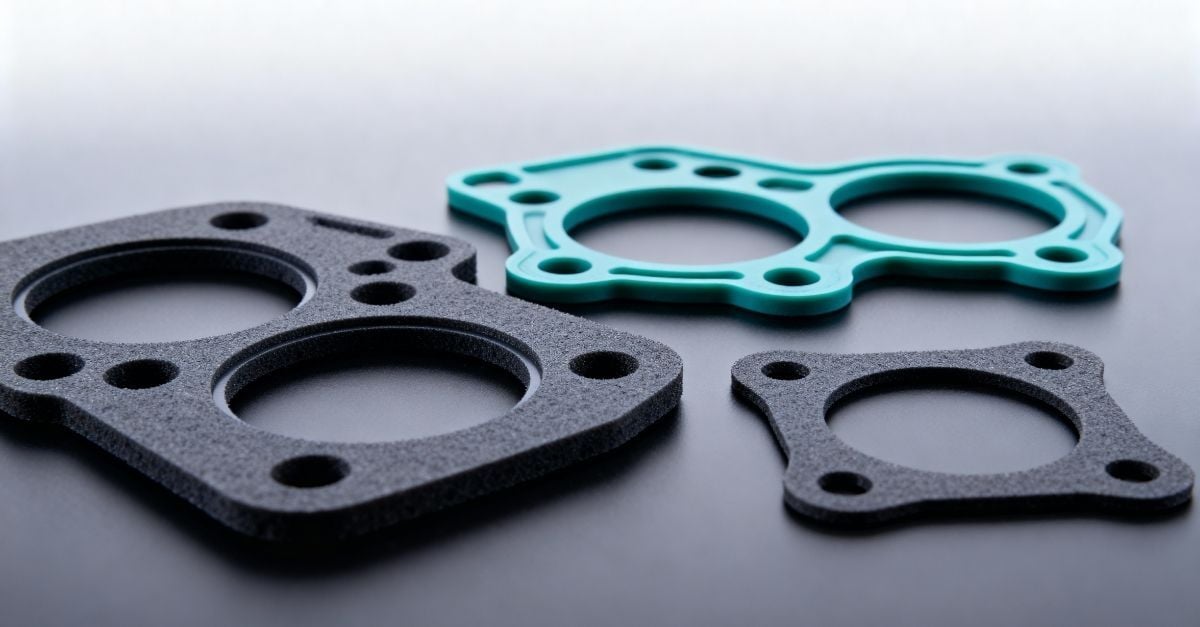
Custom Gaskets Manufacturing Readiness Process Qualification: A Stage-by-Stage Guide
A stage-by-stage guide to qualifying custom gasket manufacturing processes — die-cut foam, solid elastomers, and FIP dispensed silicone — across MRL 5 through MRL 8 for aerospace, defense, and medical device programs.

Managing Supply Chain Risk at Each Manufacturing Readiness Level
Every MRL gate from 3 through 9 embeds supply chain requirements — and your weakest supplier relationship sets the ceiling for your entire score. Learn what assessors actually examine at each gate and how vertical integration reduces supply chain thread risk.
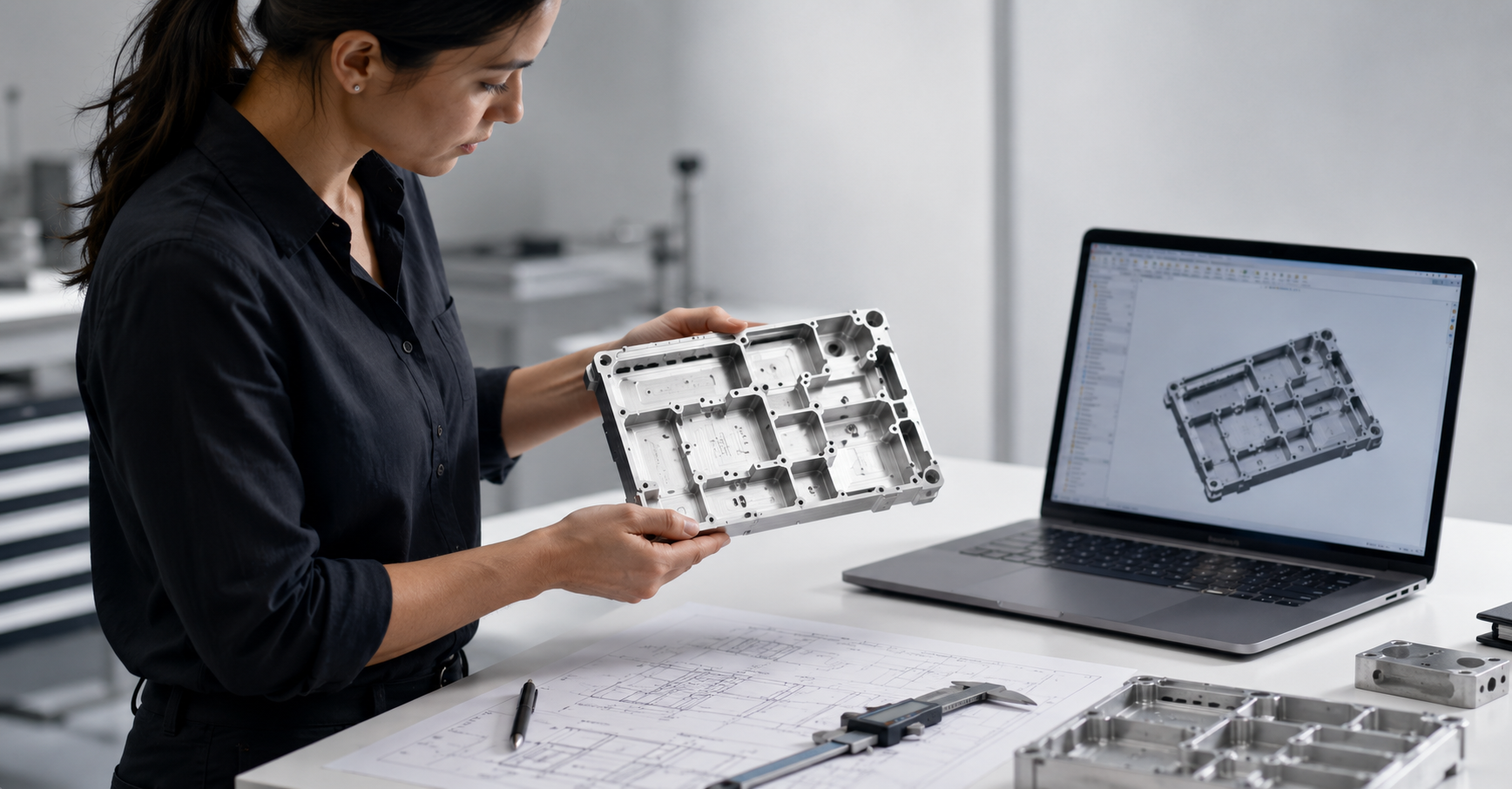
What Are Manufacturing Readiness Levels? MRL 1–10 Explained
Manufacturing Readiness Levels (MRLs) provide a clear way to measure production readiness. Learn what each level means and why it matters before you move into production.

How to Build a Manufacturing Readiness Evidence Package That Passes DoD Review
Learn how to build a manufacturing readiness evidence package that passes DoD review. Covers all nine MRL assessment threads, BOM maturity requirements, process specifications, quality management plans, and supplier qualification records.

From Breadboard to Full-Rate Production: A Program Manager's MRL Roadmap
Follow the Manufacturing Readiness Level (MRL) roadmap from concept to full-rate production and learn how program managers reduce risk at every DoD milestone.
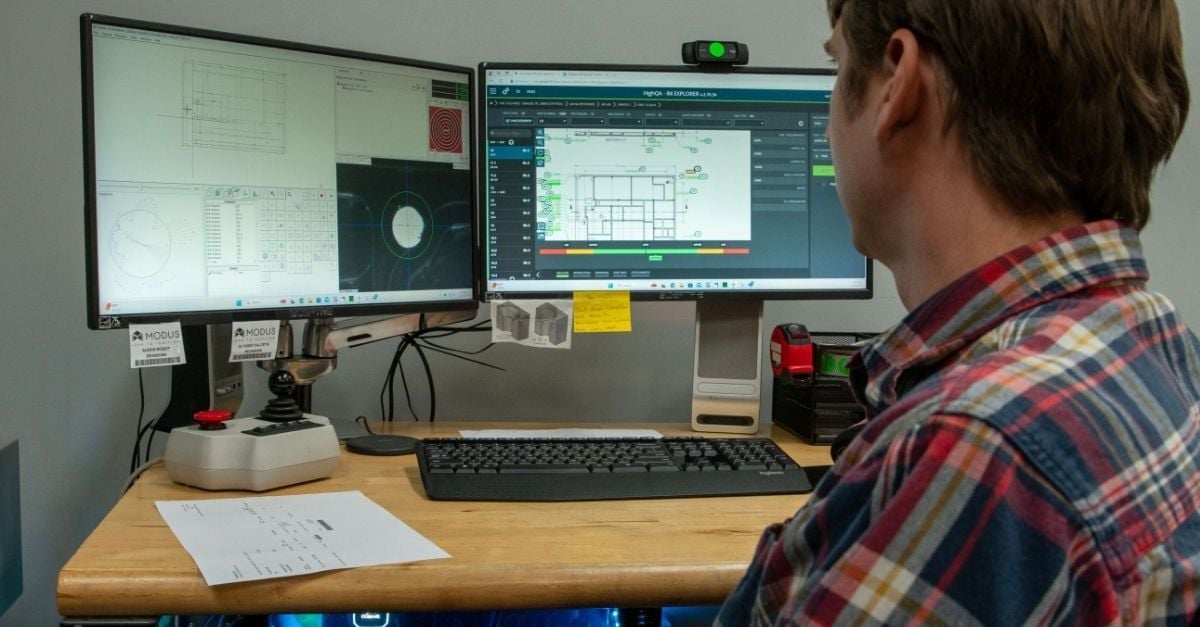
Cost Modeling and Should-Cost Analysis Across Manufacturing Readiness Levels
How to build credible should-cost models synchronized with MRL gate requirements — from ROM estimates at MRL 3–4 through a locked production cost basis at MRL 8 — using real manufacturing data from early DFM engagement.
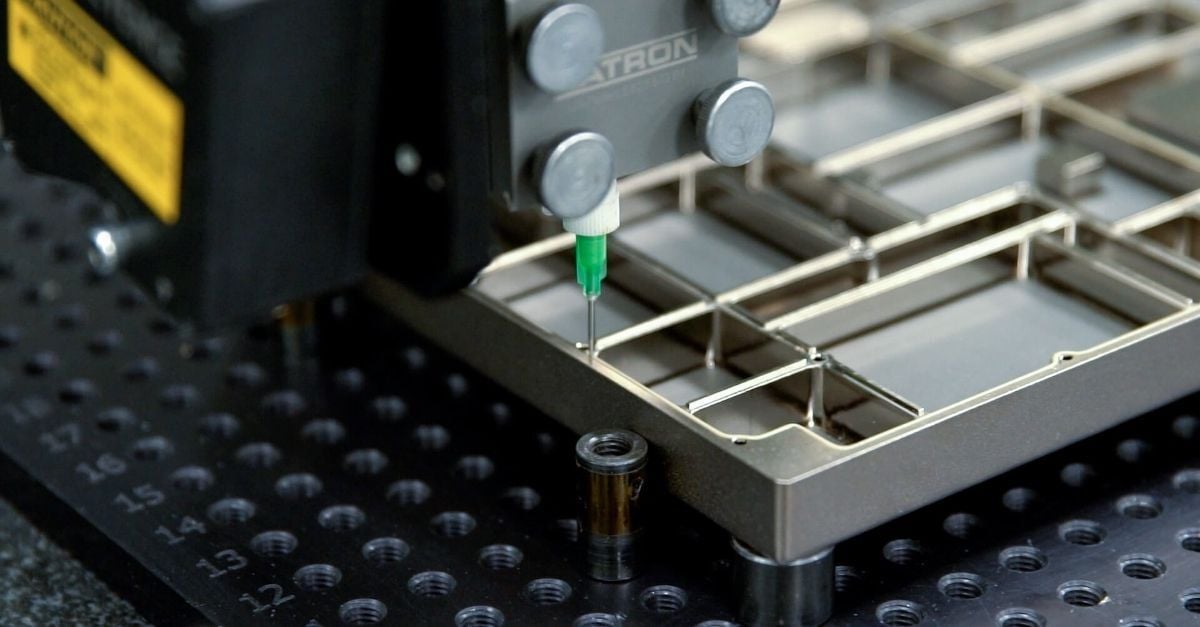
EMI Shielding and RF Components: Meeting Manufacturing Readiness Requirements for Defense Electronics
How to align EMI shielding and RF component manufacturing with MRL 5–8 requirements for defense electronics programs — FIP gasket process controls, absorber material qualification, inspection protocol design, and supplier selection criteria.

Case Study
When Standard Manufacturing Processes Won't Cut It: Engineering Custom Solutions for Space-Critical Components
See how custom waterjet process achieves tight tolerances for space-critical aerospace components through innovative engineering.
See HowSubmit Your Design
Get Design Feedback from Our Team
Have a design that needs feedback? Get in touch with our engineering team today to get real-time feedback on how to make your design more effective and manufacturable.
Submit a Design